Read Our Frequently Asked Questions

Elder Law Estate Planning

Elder law estate planning focuses not only on what happens when you die, but also on what happens if you become disabled or need long-term care before death. For example: Powers of Attorney, Health Care Proxies, Living Wills, the possibility of guardianship/guardianship avoidance, and planning for nursing home or home‐care costs.

A Will is the traditional means of distributing your assets at death. But a Revocable Living Trust can offer advantages: avoiding probate (a court process), maintaining more privacy, controlling how your assets pass, and preparing for disability.  Whenever we prepare a trust, we also prepare a “pour-over will” which (1) cancels your old will, and (b) leave any asset, which does not have a joint owner or a beneficiary, to your trust.

Without appropriate documents (trust, power of attorney, health care proxy, living will), a court might need to appoint a legal guardian or conservator. That process can be costly, time‐consuming and you lose control. Elder law estate planning helps avoid that since setting up a trust prevents a guardianship.  

In your plan you’ll pick trusted people (e.g., successor trustee, agent under Power of Attorney). It’s helpful to communicate with them ahead of time about your wishes, and ensure your plan documents clearly reflect how you want things handled—both for disability and death.  Your elder law estate planning attorney will help you with those decisions.

Generally: after major life events (marriage, divorce, birth/adoption, death of a beneficiary), changes in health or financial status, or when tax laws change. Also in elder law planning you may want periodic review—e.g., every few years—to ensure it still fits your circumstances. (Ettinger Law Firm offers a free review every three years.)

Both trusts avoid probate and provide for who will handle your affairs if you become disabled.  In a revocable trust, you are the trustee and may do as you please.  In an irrevocable trust, someone else is the trustee (usually one or two of your adult children) and you limit yourself to the income from the trust only.  Only irrevocable trusts protect from Medicaid. 

Neither your revocable or irrevocable trust will affect the income or capital gains taxes you will pay.  Both trusts preserve the capital gains tax exclusion on the sale of your primary residence and allow you to keep all of your property tax deductions (STAR, Senior STAR and Veterans).  

Estate Tax Savings


An “estate tax” is a tax imposed on the value of a person’s estate at death (or in some cases on the transfer of assets). New York’s estate tax exemption is about $7.3 million for 2026.  The federal exemption for 2026 is $15 million.  Spouses in New York may set up two trusts, one for each spouse, to double these exemption amounts.


There are several strategies: leveraging exemptions, using trusts (including “Inheritance Protection Trusts”), making lifetime gifts, structuring distribution timing, and coordinating with both federal and state tax rules. The firm’s “Wealth Preservation Strategies” page describes trust‐based planning for those goals. 

If your total estate value (after deductions) is well below applicable thresholds, estate tax may not be a pressing issue. But you might still benefit from planning: for example to avoid probate, control distribution, prepare for disability, or anticipate future growth of your estate.  Our free three-year review ensures continued monitoring of your estate plan for reduction or elimination of estate taxes whenever possible.

Yes — married couples often benefit from planning that helps preserve both spouses’ tax‐exempt amounts. For example, trusts allow one spouse’s exemption to be preserved and those assets to be used for the benefit of the surviving spouse and heirs. 

Yes — potential income tax, capital gains tax (when assets are sold), gift tax (on lifetime transfers), and state‐specific rules. Good planning looks at the tax picture broadly and considers every avenue for tax reduction or elimination within the bounds of the law.

Medicaid Asset Protection


A MAPT is an irrevocable trust is designed to protect assets from being counted for purposes of Medicaid long‐term care eligibility. Once assets are placed in the trust and proper requirements met (including clearing the “look-back” period), they may not count toward Medicaid asset limits. 

In New York, when applying for Medicaid long‐term-care nursing home benefits, asset transfers made within the prior five years (“look-back” period) may trigger penalties. A MAPT must be funded sufficiently in advance to avoid those penalties. There is currently no look-back period for home care in New York.  

No. A properly drafted MAPT allows you to continue living in your home or even rent it. The trust owns the property, and you have life rights.  The trust can sell the house and purchase another residence if you so choose.  This does not start the look-back period over.

In New York, although the trust is “irrevocable,” there is a rule that allows you to undo it.  If all parties who are beneficiaries/trustees agree in writing, the trust may be revoked. Even better, since you as the “grantor” reserved the right to change the beneficiaries and to change the trustees, if one will not sign you may remove them from the trust and their signature if no longer required. 

That’s often referred to as an “immediate need” for Medicaid. While a MAPT may not be available in the same way (because of the look‐back), other strategies may help: exempt asset conversion, caregiver agreements, Medicaid annuities, etc.  Even when someone is in a nursing home, or on the doorstep so to speak, at least half of the assets may be protected with advanced elder law strategies.

Medicaid Applications

In New York:

  • Community Medicaid (home care / in-home services)
  • Institutional or Chronic Care Medicaid (nursing homes or long‐term residential care) 

Eligibility depends on: your income, your assets, your transfer history (look‐back), and the level of care needed (medical necessity). Some assets are exempt; others must be “spent down” or converted.  There are many ways to protect income and assets.  Ettinger Law Firm is very familiar with the rules, having filed over 5,000 successful Medicaid applications. 

If you transfer assets for less than fair market value within the look‐back period, a penalty may apply (i.e., a period of ineligibility). That’s why proper planning and accurate documentation are critical. 

Yes. If one spouse applies for Medicaid and the other remains at home (the “community spouse”), certain asset and income protections apply to ensure the spouse at home has enough to live on.

Times vary by county and by whether the applicant is already institutionalized or applying from the community. Because the rules are complex and errors can delay approval (or raise issues), working with experienced counsel helps streamline the process.

Yes. Medicaid eligibility decisions can be appealed through administrative or court channels. Ettinger Law Firm has extensive experience, and has had numerous successes, with filing Medicaid appeals.

Probate & Trust Administration

Probate is the court‐supervised process of proving a will’s validity, identifying assets, paying debts/taxes, and distributing the remaining assets to heirs. In New York, this is done in Surrogate’s Court.  It can often be expensive and time-consuming.

When a person with a trust (revocable or irrevocable) dies, the successor trustee must carry out the terms: gather assets, notify beneficiaries, invest assets prudently, keep records, distribute as specified, file tax returns. Estate administration is usually handled by the law firm that set up the trust.

Tools include revocable living trusts, jointly‐held assets, accounts with beneficiary designations, and other title strategies. Avoiding probate speeds up distribution, maintains more privacy, and often reduces legal fees/time.  However, avoiding probate is not the only thing a complete estate plan does.  A complete estate plan with a trust also (1) provides who takes over if you become disabled, (2) keeps your assets in the bloodline, and (3) protects your assets from the costs of long-term care.

Important duties: locate the trust document and decedent’s papers, list and value assets, pay debts/taxes, manage trust investments, communicate with beneficiaries, keep separate records, avoid conflicts of interest, follow the trust terms precisely and, most of all, consult with the estate planning attorney who prepared the trust.

Yes. When family members lack time, expertise or prefer to avoid friction, a professional trustee can bring neutrality, continuity, and experience.  

Choosing the Right Strategy

Many strategies exist to protect your assets into your golden years. Sometimes the biggest challenge is just choosing the right one. Ettinger Law Firm attorneys are trained to first listen very carefully to a couple’s or individual’s unique set of family and/or business circumstances. This can be an emotional and difficult conversation but a necessary one. They make recommendations only after thoroughly understanding long term goals and the dynamics of each situation.

Schedule a No-Cost Consultation


Screenshot-2025-09-26-095238-e1758894802189

What They Say About Us

Client Reviews

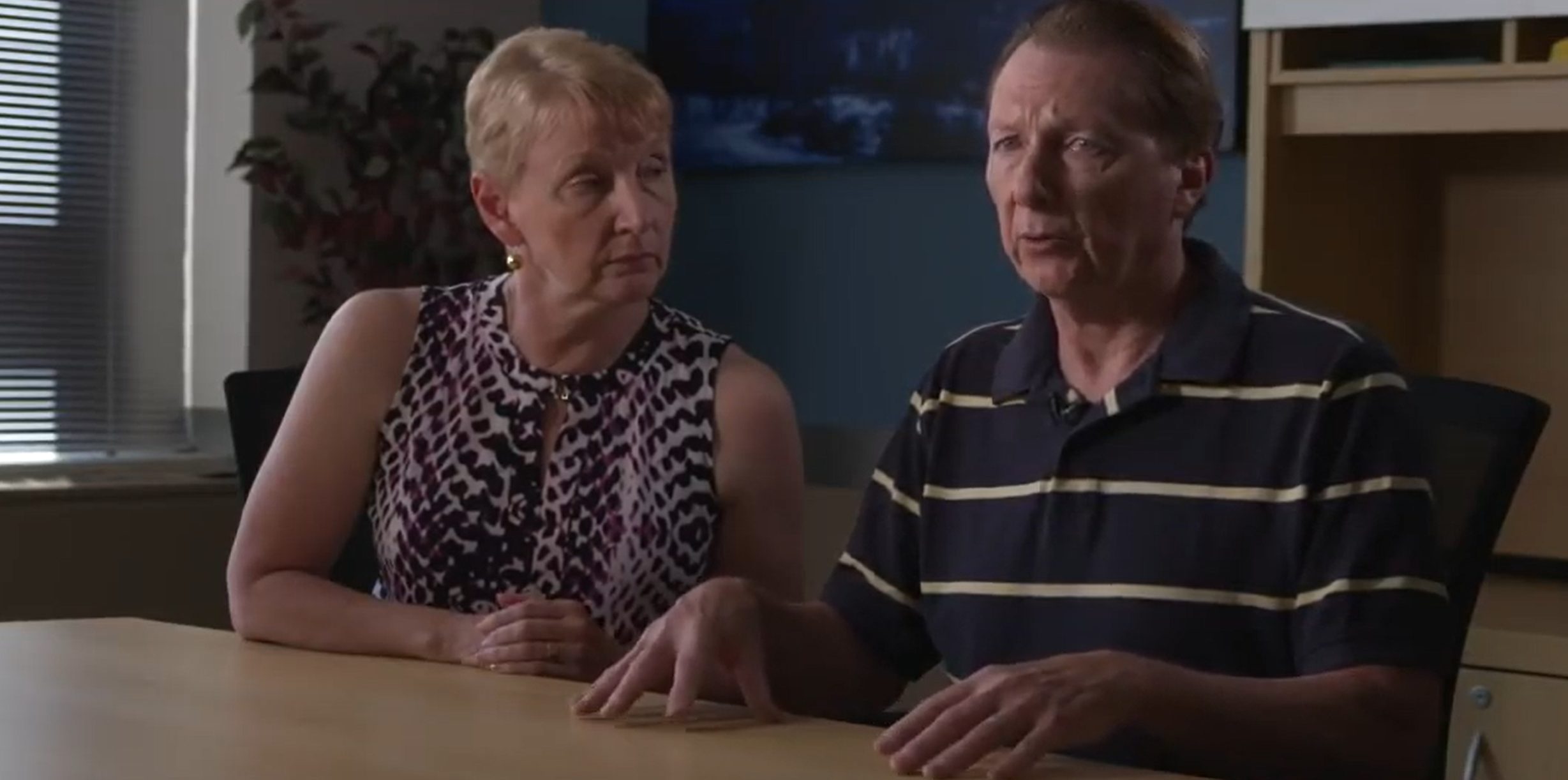
My parents set up a trust with Ettinger Law Firm twenty years ago. I have been impressed with the help and care that I received when I called with questions. I decided it was time for me to set up my own trust, so I came to Ettinger Law Firm to get it done.

– C.V.L.

This is the best choice for elder care and estate planning! Well established and transparent in services and quality of staff is superb. Does free informational dinner programs in a variety of locations. Has built in updates for consumer, this is a firm that you stay with for life. Highly rated. Go now for your peace of mind.

– K.D.

Thanks! Doing our estate planning with you (Mike Ettinger) was an extremely comforting experience. All our questions were answered clearly and concisely. Our concerns were satisfactorily resolved and we felt better educated about trusts, wills, health proxies, etc. The final product format will make it very easy for our heirs to handle our estate with your assistance.

– J. McD

Get Started Today

At Ettinger Law Firm, our elder law lawyers focus on the needs of older adults in New York when protecting their families, assets and future. We recognize that many of our clients have minimal or no experience working with attorneys — our low-pressure approach enables you to make these crucial life decisions at your own pace. Trust our team to educate you and make the information you need accessible throughout the process. 

Contact us today to learn more or schedule a No-Cost Consultation for elder law estate planning. 

Contact Us

Upcoming Events

View All Upcoming Events
4.7
480 reviews